
AI in Practice: From Strategy to Implementation
Read time: 3 minutes
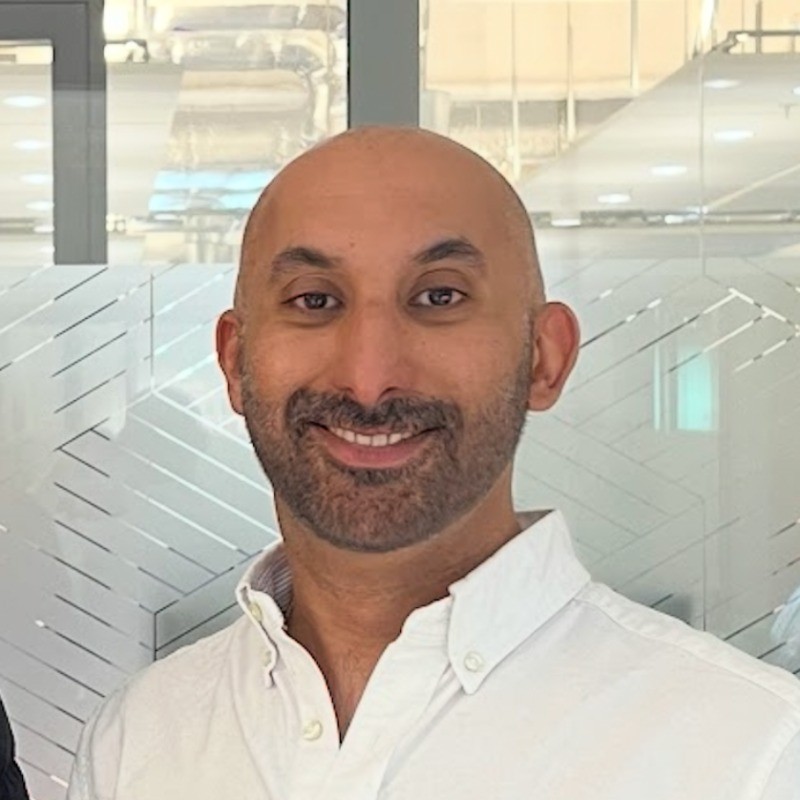
In our first AI webinar of 2026, we brought together two experts with very different perspectives on AI implementation: Hariss Amin, who leads CX and AI at Hunter Douglas e-commerce, and Alan King, CEO of ITAA.ai, Strategy Director at The AI Association, founder of AI your Org and author of 'Harnessing the Power of AI in Organisations'.
The conversation moved beyond the hype to explore what works; from deploying voice agents in customer service to rethinking entire organisational structures for an AI-native future.
Watch the replay on demand
You can now watch the full webinar on demand. Learn how organisations are successfully implementing AI, from voice agents handling customer service to strategic transformation that prepares businesses for the future.
Key highlights from the session
Voice agents: Why Hunter Douglas went voice-first
Hariss shared why they deliberately chose voice as their first AI implementation, despite it being the most challenging:
"Anything that's text is quite easily replicated. But voice is the most impactful and the most tricky one. Once you crack voice, then you're confident enough that you can scale it up very easily to emails, to chat, to web forms."
The result? They cut customer wait times from over 2 minutes down to seconds, while maintaining similar customer satisfaction scores to human agents. The honest reality? Customer reception is mixed; younger users are more accepting, while older customers often request human agents immediately. The key is honouring that choice while continuously improving the AI experience.

Beyond tools: Rethinking your entire organisation
Alan challenged the biggest mistake companies make with AI: treating it as an IT project rather than a fundamental business transformation.
"The mistake businesses make is that they see it as an IT problem. Rather than stopping to think: how does it change the way our business is going to operate?"
Looking ahead five years, he predicts organisational structures will flatten significantly as intelligence becomes embedded at every level. Managers will evolve from supervisors to designers of systems and workflows, with humans orchestrating AI to achieve outcomes rather than completing tasks.
The voice-first future is already here
Both speakers agreed that the idea of clicking through websites and apps in 10 years seems outdated. Voice interfaces will become the primary way we interact with digital services; from ordering on Amazon to navigating customer service.
Hariss, who uses Meta's Ray-Ban glasses daily, noted:
"What's the easiest way for us to communicate and take action? It's who's speaking, right? That's how you increase productivity by shaving off time."

What to do first
Alan's advice for CEOs was clear: don't treat AI as a project in a silo. Start by asking fundamental questions:
- What decisions are too slow?
- What's too expensive?
- What's too emotionally difficult?
Then work across your entire organisation to redesign workflows end-to-end. The companies that succeed won't be doing the same thing cheaper, they'll be doing 10x more with the same resources.
The elephant in the room: Will AI take jobs?
Both speakers addressed this directly. Hariss emphasised that AI facilitates workflows, giving people more time for personal development and additional tasks. Alan shared a compelling example where an AI tool freed a team from mundane application reviews (taking 4-5 hours each) so they could focus on work they enjoyed - and they were delighted by the change.
The message? This wave is coming and is here. You can either board the train by learning the tools and adapting, or get left at the station by burying your head in the sand.
How 383 can help
At 383, we've developed our AI Discovery Sprint specifically to identify where AI adds value to your business. Rather than rushing to implement the latest technology, we help you:
- Audit and identify: We analyse your existing workflows and user journeys to pinpoint high-impact opportunities, then filter potential use cases by technical feasibility and commercial impact.
- Build and validate: We design ideas and build functional proof-of-concept tools, then test them with real users to ensure they solve genuine problems before you commit to a full build.
- Map the path forward: You get a clear implementation plan with tech stack, costs, and projected ROI, so you know exactly what you're investing in and why.
This approach ensures you only invest in what works, de-risking your AI initiatives while accelerating innovation.
Ready to explore AI for your business?
We offered everyone who attended the webinar a free 30-minute AI workshop to help identify quick wins and get started with implementation.
However, if you were unable to attend and are interested in how AI can support your business going forward, get in touch.
Book a 15-minute chat to learn more about our AI Discovery Sprint.
FAQs
Q: How long does it take to implement voice agents?
A: Hariss emphasised that implementation timelines vary, but the key is starting with proper QA processes and daily learning loops. The technology itself has evolved rapidly; latency issues that were problematic initially have largely been resolved with newer models.
Q: Will AI replace jobs in my organisation?
A: Both speakers stressed that AI should amplify human capability, not replace it. Alan shared examples where AI freed teams from mundane tasks so they could focus on work they enjoyed and developed the business further. The goal is to do 10x more with the same resources, not the same thing with fewer people.
Q: Should we start with chatbots or voice agents?
A: Hariss recommends starting with voice despite it being harder. If you can crack voice (with different accents, dialects, and natural conversation), scaling to text-based channels becomes much easier because the knowledge source is already consolidated.
Q: How do we handle customers who don't want to speak to AI?
A: Always offer human escalation and be transparent upfront about AI usage (especially for GDPR compliance).
Q: What's the biggest mistake companies make with AI?
A: Treating it as an IT project or putting it in a silo. AI is a strategic, organisational problem that requires rethinking how your entire business operates, not just bolting technology onto existing processes.
Q: How do we measure ROI on AI initiatives?
A: Focus on tangible outcomes: time saved (Hariss reduced wait times from 2+ minutes to seconds), quality improvements (the IMechE tool produced more consistent, detailed feedback than humans), and operational efficiency. Always validate with real users before full implementation.
Q: What's the timeline for AI transformation?
A: Alan suggests looking 5 years ahead rather than trying to predict 2035. The technology moves quickly, but organisational change takes time. Start by identifying what's slow, expensive, or difficult in your business, then redesign workflows end to end.
Q: Do we need special governance for AI?
A: Yes. Hariss outlined two critical aspects: preventing information leakage (using guardrails and intent analysis) and validating customer identity (through API calls). Daily QA from teams who know your business is essential; no platform improves itself.
Q: How can 383 help us get started with AI?
A: Yes. Our AI Discovery Sprint goes deep; auditing your workflows, building functional proof-of-concept tools and validating them with real users before you commit to a full build. We also have voice agent demos available if you want to explore implementations similar to Hunter Douglas's approach.
Join us for our next webinar
5 ways travel brands can drive revenue growth in a price-sensitive market
Wednesday, 25th February · 10:00-11:00am GMT
While travel demand is high in 2026, 71% of travellers find online booking overwhelming or stressful; funneling guests away from direct channels toward third-party platforms.
Join us as we explore practical strategies to simplify the path to purchase and reclaim direct margins, featuring:
Chris Bowling, Head of Digital, Best Western
Joanne Wiggan, Marketing Director, Red Sea Global
Ideal for CMOs, Digital Directors, and Commercial Leaders in travel.


.webp)