
Missed deliveries were a common and persistent frustration. People were regularly unavailable when parcels arrived, leading to wasted time, rearranged deliveries, and inconvenient trips to collection points.
While the problem itself was well understood, the challenge lay in determining whether the car could realistically become part of the solution. Any service would need to feel secure, trustworthy, and simple to use, particularly when dealing with personal vehicles and high-value items.
At this stage, the idea existed only as a loose concept. It needed to be proven technically, validated with users, and shaped into something that could work at scale.
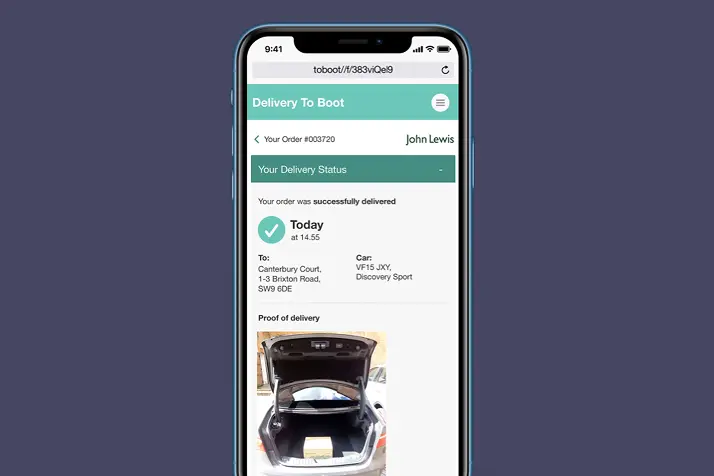
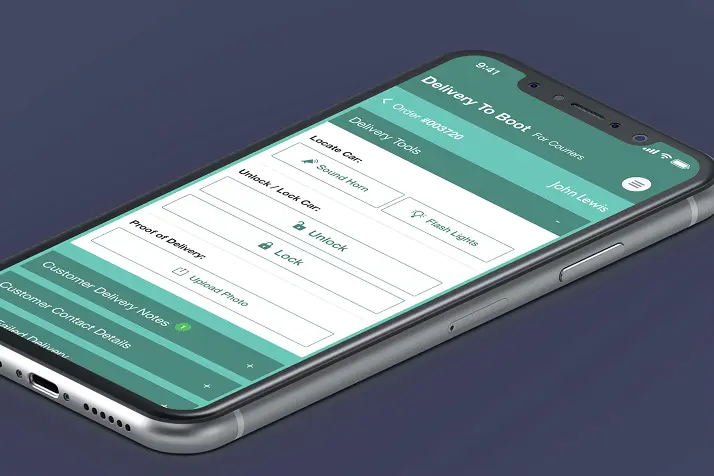
Work began by developing a clear business case and understanding what the minimum viable version of the service needed to include. This involved a mix of quantitative and qualitative research to validate demand, identify customer concerns, and surface potential points of friction.
Workshops and journey mapping were used to explore the end-to-end experience, from booking a delivery through to accessing the vehicle. This helped define the core service mechanics and align the team around what should be tested first, both from a technical and customer experience perspective.
The focus throughout was on learning quickly, reducing uncertainty, and avoiding over-design before the concept had been proven.

To test the service in real conditions, Jaguar Land Rover recruited a group of beta testers from its internal fleet of drivers. These participants were based across a wide range of locations and vehicle types, allowing the team to observe how the service performed in different scenarios.
A 12-week testing programme followed, using closed, real-world delivery experiments. Each delivery informed improvements to onboarding, user flows, and operational processes. The journey was iterated continuously until an optimal experience began to emerge.
Given the importance of security and trust, partnerships with John Lewis and DPD were introduced. These partnerships helped reinforce brand credibility and enabled more robust pilot testing through the integration of multiple API systems.

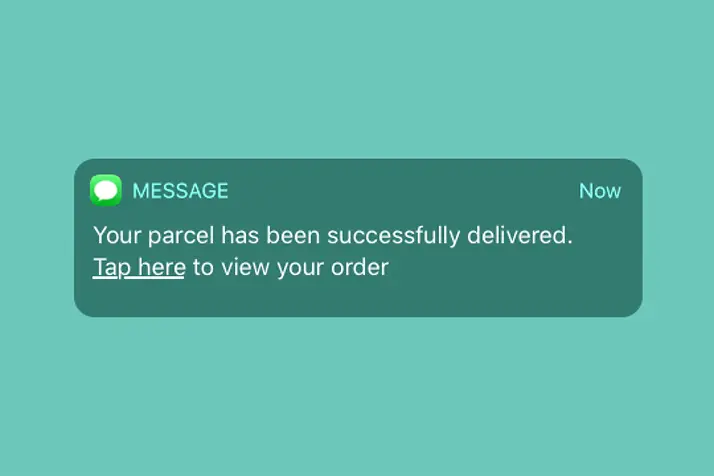
The programme resulted in ToBoot, a direct-to-boot delivery and returns service that allows customers to receive or send parcels using their car as a secure drop-off point. It removes the need to wait at home and reduces the friction associated with traditional delivery services.
Although developed within Jaguar Land Rover’s innovation programme, the service was designed to be brand agnostic. It works with most cars manufactured since 2002 and supports a wide range of courier partners including DPD, DHL, Parcelforce, TNT, UPS, and Yodel.
The project gave Jaguar Land Rover a validated, scalable service model and demonstrated how new mobility propositions could be de-risked through real-world testing rather than assumption-led investment.


