


While technically robust, Callsign’s mobile application no longer reflected the quality or ambition of the product. An internal review, supported by an RNIB accessibility audit, highlighted usability and accessibility issues across the end-to-end journey.
Callsign needed to redefine its mobile design system, improve clarity and usability, and ensure the experience met accessibility standards while remaining scalable for future growth.


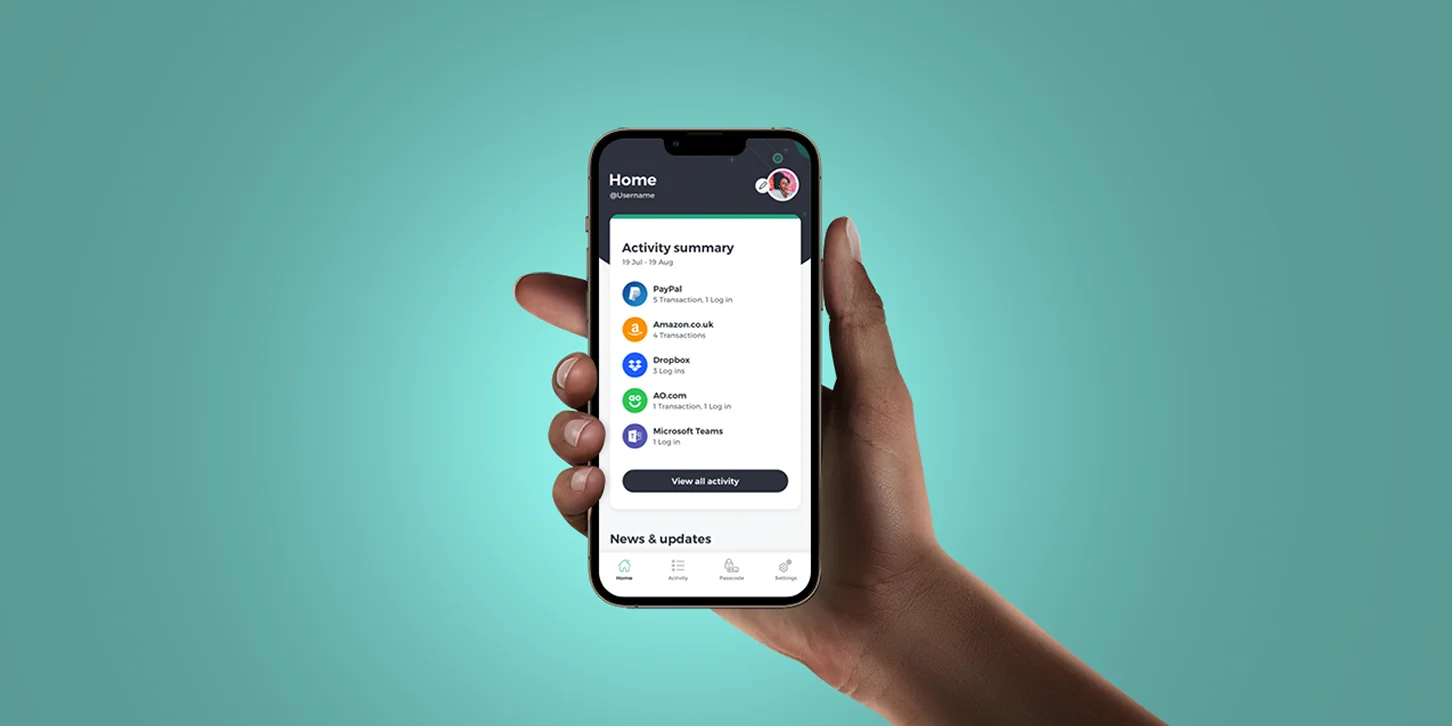
Accessibility was a core design requirement from day one, so it wasn't a layer added at the end. Following Callsign’s RNIB audit, we embedded accessibility considerations into every stage of the redesign, from journey mapping through to component creation.
Each interaction was assessed for clarity, contrast, hierarchy, and cognitive load, ensuring users could move through authentication journeys with confidence and minimal friction. Design decisions were tested against real-world use cases, helping to balance security requirements with ease of use.
All designs were validated with RNIB, giving Callsign confidence that the experience meets recognised accessibility standards and supports inclusive use across different contexts, devices, and user needs.


As a white-label product used by enterprise clients, Callsign’s mobile platform needed to remain flexible without losing consistency. The redesigned system was built around reusable components and clear interaction patterns, allowing new features and client requirements to be introduced without fragmenting the experience.
Clear documentation supported future development, setting out how components should be used and extended. This gave internal teams a shared reference point, reduced reliance on one-off design decisions, and ensured the platform could scale while maintaining usability and accessibility standards.

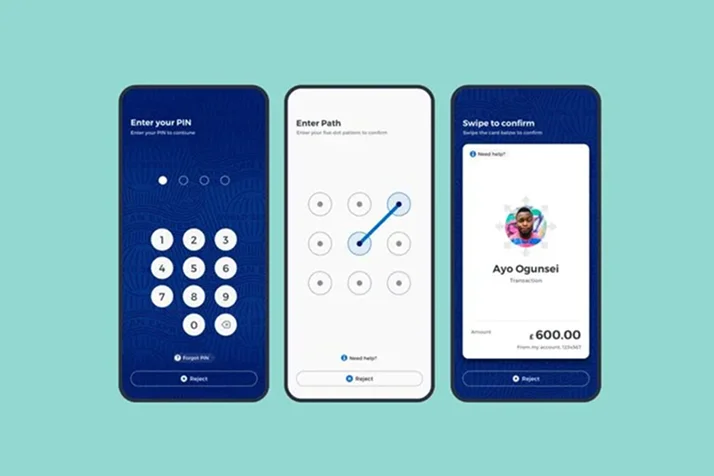
The project resulted in a comprehensive UX and UI system delivered through a fully clickable prototype. A library of components and screens gave Callsign a shared vision for the future of its mobile experience, supporting internal teams and reinforcing confidence with enterprise clients that accessibility, usability, and scalability are built in from the ground up.